Customer Development
Systems That Follow Up, Long After the First Enquiry
Most businesses lose more revenue between enquiry and close than they lose to competitors. We build the CRM, the follow-up and the retention work that closes that gap.
- Lead generation
- CRM setup
- Journey mapping
- Retention programmes
The work that happens after marketing
Marketing produces enquiries. What happens next decides whether they turn into customers — and for many businesses that part runs on memory, a shared inbox and whoever happened to pick up the phone.
Customer development is the system around that. Where leads land, who owns them, what happens on day one and day ten, and what keeps existing customers buying after the first invoice.
It is unglamorous work, and it is usually the cheapest growth available. Recovering enquiries you already paid to generate costs far less than generating more of them.
Nothing gets dropped
Every enquiry lands somewhere with an owner and a next step, rather than in a shared inbox.
The whole journey
First contact through to renewal, mapped so you can see where people leave.
Existing customers count
Retention and repeat business get the same attention as new acquisition.
What We Build
Customer development capabilities
Chosen against how your sales process actually runs, not a standard stack.
Lead generation systems
The forms, offers and routing that turn interest into a contactable enquiry with context attached.
CRM selection & setup
Choosing a platform that fits your team, then configuring pipelines, fields and stages around how you sell.
Customer journey mapping
Documenting every touchpoint from first visit to renewal, and marking where people currently drop out.
Sales automation
Assignment rules, reminders and follow-up sequences so nothing waits on someone remembering.
Lead nurturing
Structured follow-up for prospects who are interested but not ready, across a realistic buying cycle.
Onboarding flows
What happens in the first weeks after purchase — the period that most determines whether they stay.
Retention & loyalty
Check-ins, renewal prompts and repeat-purchase programmes built into the system rather than left to goodwill.
Support systems
Ticketing, response expectations and escalation paths so support does not run on individual inboxes.
Pipeline reporting
Visibility into stage conversion and where deals stall, so problems surface before quarter end.
Problems We Solve
Where customers go missing
Rarely a people problem. Almost always a system problem.
Leads sit unanswered for days
Routing and alerts
Enquiries assigned automatically to an owner with a response clock, instead of waiting in a shared inbox.
Nobody knows what was promised
CRM as single source of truth
Conversations, quotes and commitments recorded against the contact rather than in individual inboxes.
Prospects who said 'not yet' are never contacted again
Nurture sequences
Scheduled follow-up that keeps you present through a buying cycle measured in months.
Customers buy once and disappear
Retention programmes
Structured post-purchase contact, renewal prompts and reasons to come back.
Sales reporting is a spreadsheet nobody trusts
Pipeline configuration
Stages that reflect how you actually sell, so the forecast comes out of the system rather than out of guesswork.
Support is one person's inbox
Ticketing and escalation
Shared queues, response expectations and a record of what was asked, so cover does not depend on one individual.
Why Royal Global
How we approach it
Systems your team will use, rather than systems that look impressive in a demo.
We map how you sell first
Configuration follows your process. A CRM bent around someone else's sales motion gets abandoned within a quarter, and then you have paid for both the licence and the disruption.
Built to be maintained
Fields, stages and automations documented in plain language, so your team can adjust them without calling us.
Connected to the website
Because we build the site as well, forms, tracking and CRM are wired together properly instead of bridged with a workaround.
Honest about scope
Some businesses need a full platform. Many need a simple pipeline and disciplined follow-up. We will say which one you are.
Adoption is the measure
A system nobody updates is worse than none at all. We plan training and rollout as part of the work, not as an afterthought.
How We Work
Our customer development process
Understand the current process, fix the gaps, then make it stick.
- 01
Audit
Tracing what happens today from enquiry to close, including the informal steps nobody wrote down.
- 02
Journey mapping
Documenting each touchpoint and marking where prospects and customers currently leave.
- 03
System selection
Recommending a CRM and supporting tools that fit your size, budget and the way your team works.
- 04
Configuration
Pipelines, fields, stages, routing rules and automations built to match the mapped process.
- 05
Integration
Connecting website forms, email, calendars and any existing systems so data arrives without re-keying.
- 06
Migration & training
Moving existing contacts across and training the people who will use it daily, with documentation they keep.
- 07
Review
Checking adoption and conversion after live use, and adjusting what the first weeks reveal.
Platforms & Tools
What we work with
Matched to your team's size and budget — the biggest platform is rarely the right one.
CRM platforms
- HubSpot
- Salesforce
- Pipedrive
- Zoho CRM
Support & service
- Zendesk
- Intercom
- Help Scout
- Shared inbox tooling
Automation & data
- Email automation
- Zapier / Make
- Form routing
- Reporting dashboards
Outcomes
What changes once the system exists
Capabilities you gain. We publish no conversion or retention figures, because they depend entirely on your market and team.
Faster response times
Enquiries reach an owner immediately rather than whenever someone checks the inbox.
A pipeline you can see
Where every opportunity sits and what it is waiting on, without asking around.
Fewer leads lost to silence
Scheduled follow-up covers the prospects who go quiet but have not decided against you.
Less dependence on individuals
Customer history lives in the system, so holidays and departures stop being a risk.
Forecasting with a basis
Stage data and conversion rates replace optimism as the input to planning.
More from existing customers
Renewal and repeat-purchase prompts built in, rather than depending on someone remembering.
Related Work
Customer Development in practice
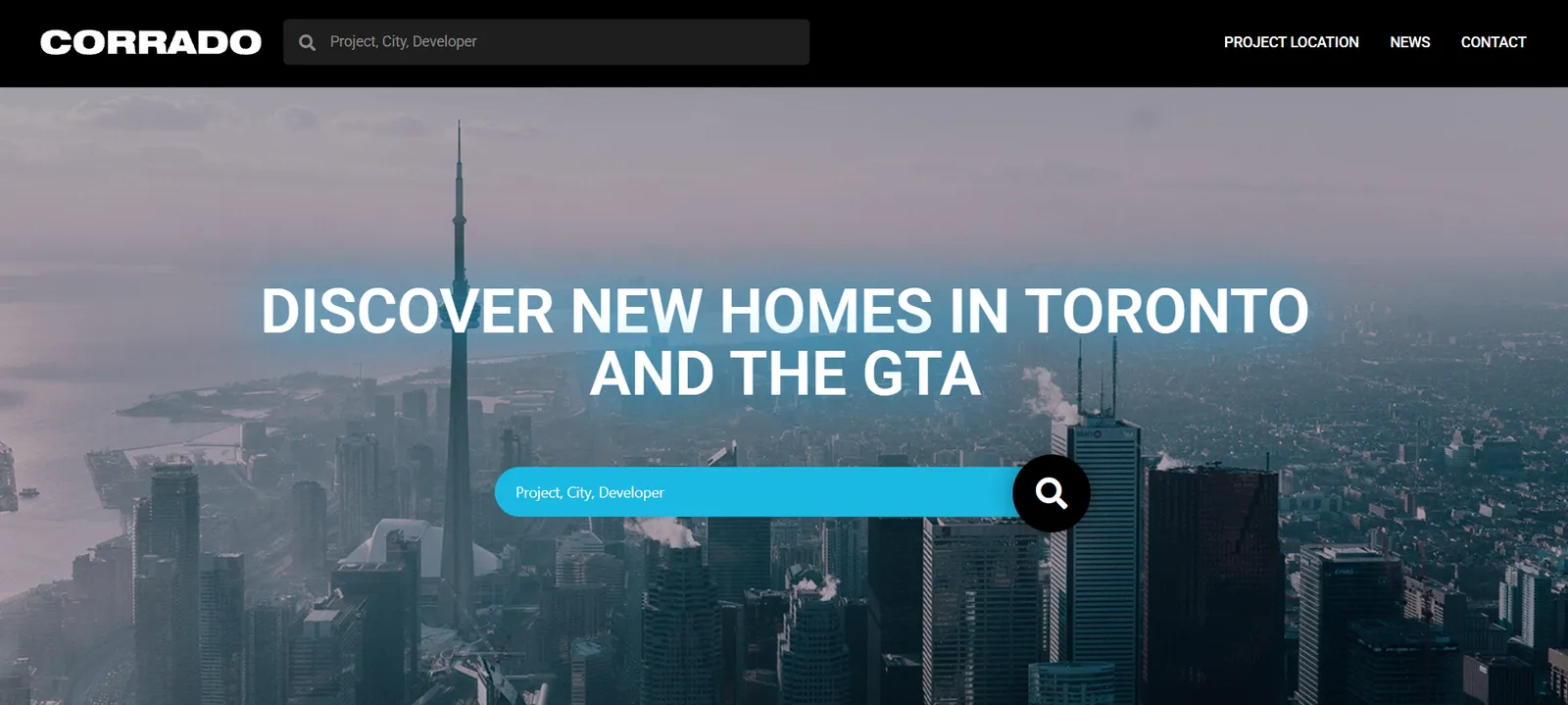
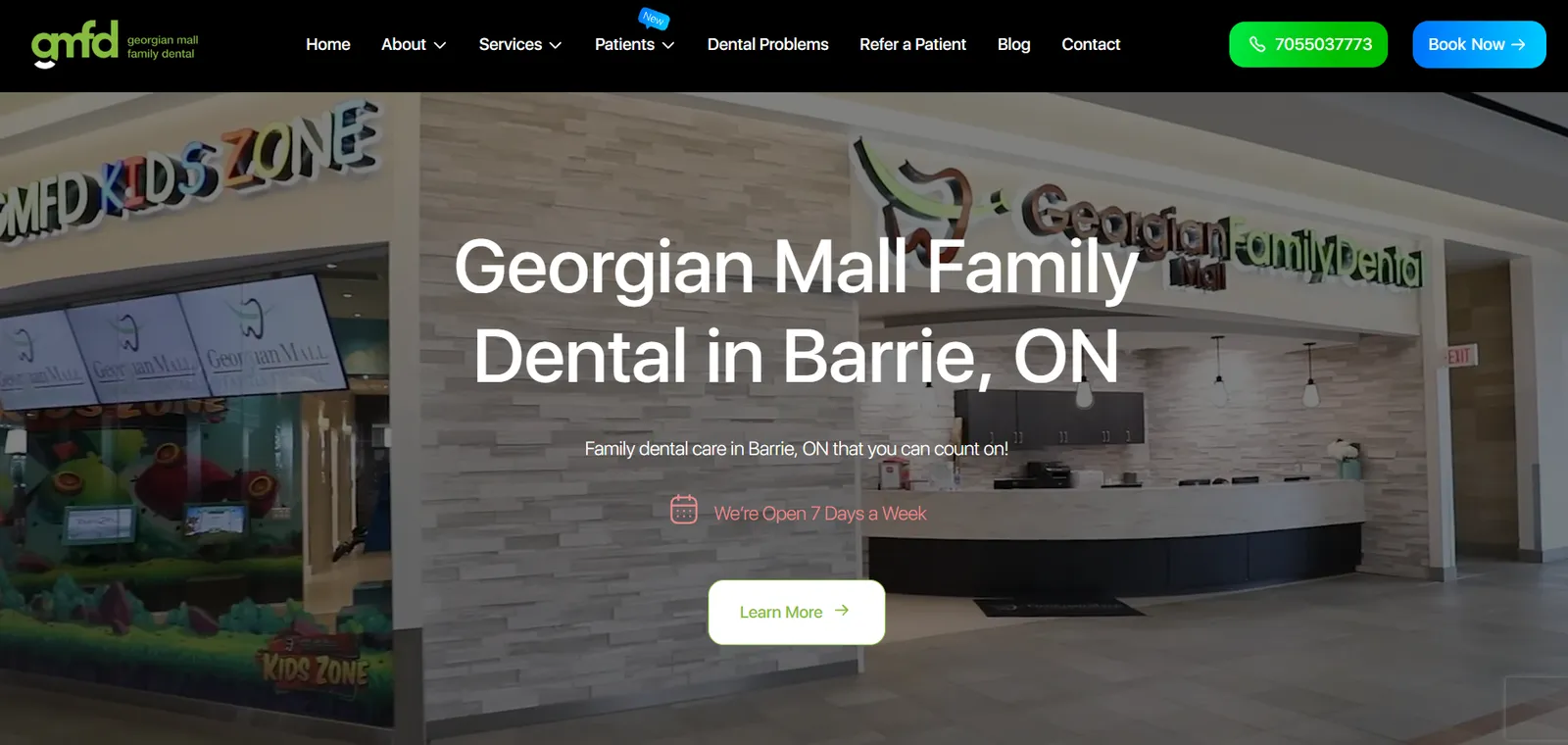
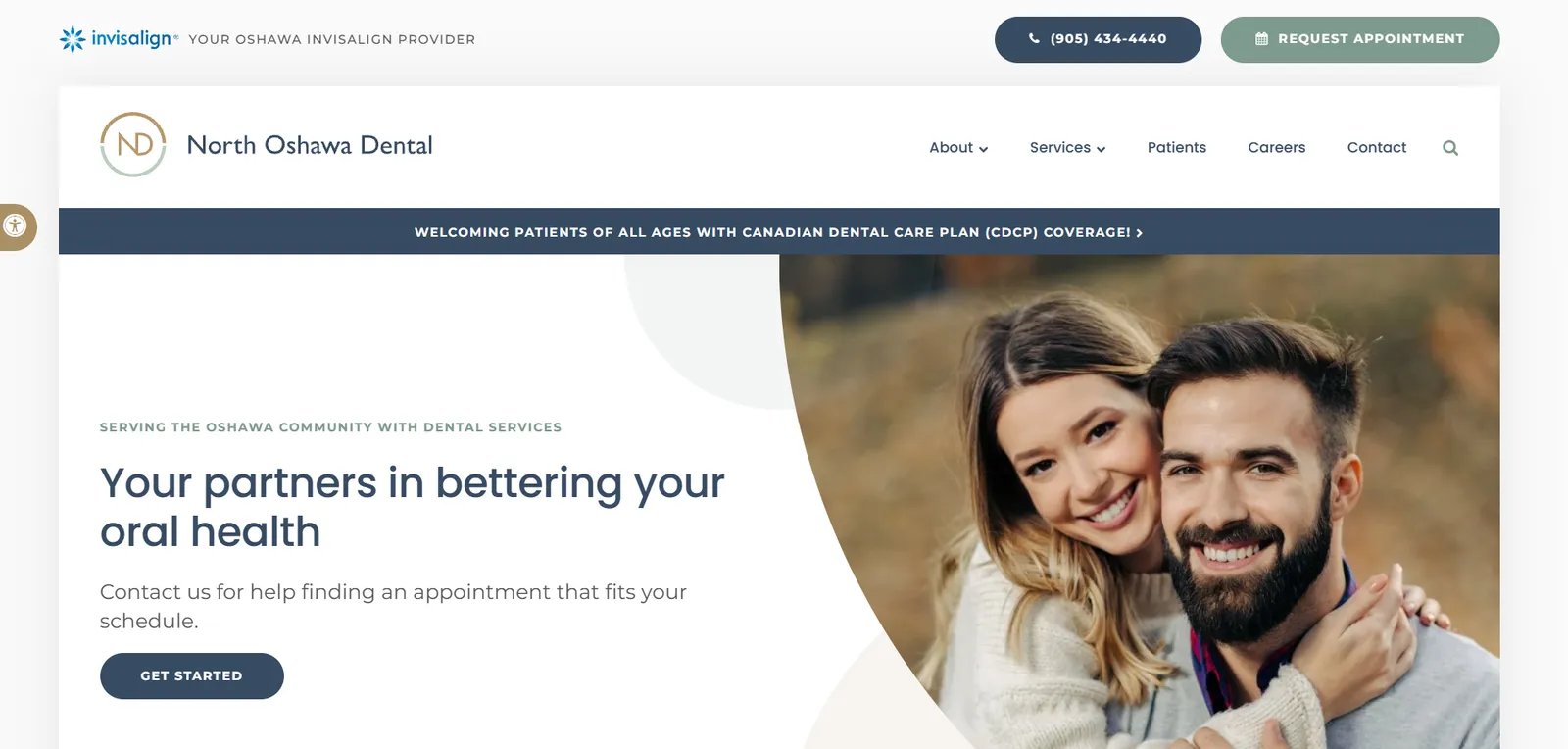
Live client sites we designed and built. Each one looks like its own brand, not like ours.
Building a customer system that holds
The decisions that determine whether a CRM becomes infrastructure or an expensive address book.
Fix the process before buying software
A CRM does not create a sales process; it records one. Installing a platform on top of an undefined process produces a database of half-filled records that nobody trusts.
We map what actually happens first — including the parts that live in someone's head — then configure around it. The tool comes second, and the choice is usually easier once the process is written down.
Response time is the cheapest improvement available
Most enquiries are made while someone is actively comparing options. The gap between an enquiry and a reply is often the single biggest controllable factor in whether it converts.
Automatic routing, an owner per enquiry and a visible response clock cost very little and change outcomes more than most campaign work.
Follow-up beyond the first attempt
Many businesses contact a lead once or twice and move on. Meanwhile the prospect was mid-budget-cycle, on leave, or waiting on an internal decision.
Structured nurture — genuinely useful contact spread across a realistic buying cycle rather than repeated chasing — recovers enquiries you have already paid to generate.
Retention deserves a system too
Existing customers already trust you, and the cost of reaching them is close to zero. Yet retention is usually the least systematised part of a business.
Onboarding sequences, scheduled check-ins, renewal reminders and reasons to return can all be built into the same platform handling new sales. The infrastructure is already there.
Choosing a CRM realistically
Enterprise platforms carry enterprise configuration overhead. A ten-person business often gets more from a simpler tool used consistently than from a powerful one used partially.
We weigh team size, technical comfort, integration needs and budget — including the licence cost two years from now, which is where several platforms become uncomfortable.
Adoption is the real risk
The common failure is not choosing wrongly. It is a well-configured system that the team quietly stops updating, until the data is unreliable and everyone returns to spreadsheets.
We reduce that risk by keeping required fields minimal, automating what can be automated, training in the context of real work, and reviewing usage after a few weeks of live operation.
Common Questions
Frequently asked questions
Do we need a CRM at all?
Not necessarily. If you handle a small number of high-value relationships and nothing is being lost, a disciplined process may be enough. The audit tells us either way, and we will say so if a platform would be overkill.
Which CRM do you recommend?
It depends on team size, budget and how you sell. We commonly work with HubSpot, Salesforce, Pipedrive and Zoho, and we choose after mapping your process rather than before.
Can you migrate our existing contact data?
Yes. Migration covers contacts, companies, historical deals and notes where they exist in a usable form. Messy data is normal, and cleaning it is part of the work.
Will our team actually use it?
That is the thing most likely to go wrong, so we design for it: minimal required fields, automation wherever possible, training against real scenarios, and a review after a few weeks of live use to fix whatever is causing friction.
How does this connect to our website?
Website forms feed directly into the CRM with source information attached, so you can see which pages and campaigns produced each enquiry. Since we also build websites, that connection is handled properly rather than patched together.
Do you handle ongoing management?
We can. Some clients want the system built, documented and handed over; others want continuing support as their process changes. Both are available, and the handover documentation is the same either way.
How long does a setup take?
It depends on the complexity of your process and the state of your existing data. We give a timeline after the audit, once we know what we are working with, rather than quoting a number in advance.
Can you work with the CRM we already have?
Yes. Reconfiguring an existing platform that is underused is often faster and cheaper than migrating, and we will recommend that where it is the better option.
Let's Talk
How many enquiries are you losing after they arrive?
Walk us through what happens when someone contacts you today. We will point out where the gaps are and what it would take to close them.