Web Development
Web Development Services Built for Growth
We design and build websites that load quickly, rank well and hold up as your business grows — from marketing sites to custom web applications, delivered by one accountable team.
- Responsive development
- SEO-ready structure
- Performance focused
- Secure and scalable
Professional web development for growing Canadian businesses
Most websites are not slow, hard to update or invisible in search by accident. Those problems are usually decided early — in how the site is structured, which platform it is built on, and whether anyone thought about who has to maintain it afterwards.
We start with the commercial question. Who is this site for, what do they need to do on it, and what has to be true for that to happen? Only then do we choose the stack. Sometimes that means a WordPress build a marketing coordinator can run without a developer; sometimes it means a Next.js application with a headless CMS behind it.
The result is a site your team can actually operate. Clear content structure, sensible templates, documented decisions, and a codebase the next developer can read without a handover call.
Built around business goals
We map the commercial outcome before the sitemap, so the build answers a real problem rather than a feature list.
The right stack, not our favourite
Platform choice follows your team's capacity to maintain it, your budget and your growth plans.
Maintainable after launch
Documented, conventional code and a CMS your team can use without raising a ticket for every change.
What We Build
Web development capabilities
From a focused marketing site to a custom application, scoped to what the business actually needs.
Custom website development
Bespoke front-end builds where a template cannot express the brand or handle the content model.
WordPress development
Custom themes and blocks built for editors, not page-builder sprawl that slows the site down.
React & Next.js builds
Server-rendered applications for teams that need speed, strong SEO and room to add features.
Headless CMS integration
Structured content that can feed a website, an app and a campaign landing page from one source.
Landing page development
Fast, focused pages for a specific campaign or offer, with analytics and tracking wired in.
Website redesign & migration
Rebuilds that preserve rankings — URL mapping, redirects and content parity checked before launch.
Integrations & APIs
Connecting your site to a CRM, booking system, payment provider or internal tooling.
Maintenance & support
Updates, monitoring, backups and small improvements handled on an ongoing basis.
Performance optimisation
Diagnosing and fixing slow pages: images, render blocking, third-party scripts and hosting.
Problems We Solve
The issues that usually bring people to us
Most web development enquiries start with a symptom. These are the ones we hear most, and what actually fixes them.
The site takes too long to load
Performance engineering
We audit what is actually blocking the render — oversized images, unused scripts, slow hosting — and fix the causes rather than adding a caching plugin on top.
It looks dated next to competitors
Modern redesign
A rebuild on current layout, typography and accessibility standards, keeping the URLs and content equity you have already earned.
It falls apart on phones
Responsive development
Layouts designed mobile-first and tested on real breakpoints, not desktop designs squeezed into a narrow window.
Visitors arrive but do not convert
Conversion-focused build
Clearer hierarchy, fewer competing calls to action, forms that are quick to complete, and tracking so you can see where people stop.
Every content change needs a developer
A CMS built for editors
Content modelled around how your team works, with editable blocks and guardrails that keep the design intact.
Why Royal Global
What working with us is like
No account-manager layer, no surprise change requests, no handover document you cannot act on.
Business-first, not build-first
We ask what the site has to achieve commercially before proposing a platform or a page count. If a smaller build gets you there, we will say so.
SEO considered from day one
Information architecture, headings, metadata and crawlability are designed in — not retrofitted after launch when the structure is locked.
Transparent communication
You see progress on a staging environment throughout, not a reveal at the end.
Scalable architecture
Content models and components that hold up when you add a service line, a region or a second language.
One accountable team
Strategy, design, development and marketing sit together, so nothing gets lost between vendors.
How We Work
Our web development process
Seven stages, each with something you can review. No stage ends on our say-so alone.
- 01
Discovery
We review your current site, analytics, competitors and commercial goals, and agree what success looks like before anything is designed.
- 02
Strategy & architecture
Sitemap, content model, URL structure and platform recommendation — the decisions that are expensive to change later.
- 03
UI/UX planning
Wireframes and key page designs, reviewed with you while changes are still cheap to make.
- 04
Development
Front-end and CMS build on a staging environment you can access throughout, with components built to be reused.
- 05
Testing & QA
Cross-browser and cross-device checks, accessibility review, form testing, performance measurement and redirect verification.
- 06
Launch
Deployment, DNS, analytics and Search Console setup, plus a redirect map so existing rankings carry over.
- 07
Optimisation & support
Post-launch monitoring and iterative improvements based on how people actually use the site.
Technology
What we build with
Chosen per project against your team's capacity and growth plans — not a fixed stack applied to everyone.
Front-end
- React
- Next.js
- TypeScript
- HTML5
- CSS3
- Tailwind CSS
CMS & back-end
- WordPress
- PHP
- Headless CMS
- Node.js
- REST & GraphQL APIs
Quality & delivery
- Git
- Staging environments
- Lighthouse
- Search Console
- Analytics 4
Outcomes
What a considered build gives you
No promises about traffic or revenue — these are the things a well-built site makes structurally possible.
Faster page loads
Lighter pages and fewer blocking requests, which matters for both visitors and search crawlers.
Better search visibility
Clean markup, logical headings and crawlable structure give your content a fair chance to rank.
A usable mobile experience
Where most Canadian traffic now arrives, tested on real device widths rather than assumed.
Higher conversion potential
Clearer paths to enquiry, shorter forms and fewer distractions between interest and contact.
Room to grow
Adding a page, a service or a language later is a change, not a rebuild.
Fewer security surprises
Maintained dependencies, HTTPS, hardened forms and a backup strategy that is actually tested.
Related Work
Web Development in practice
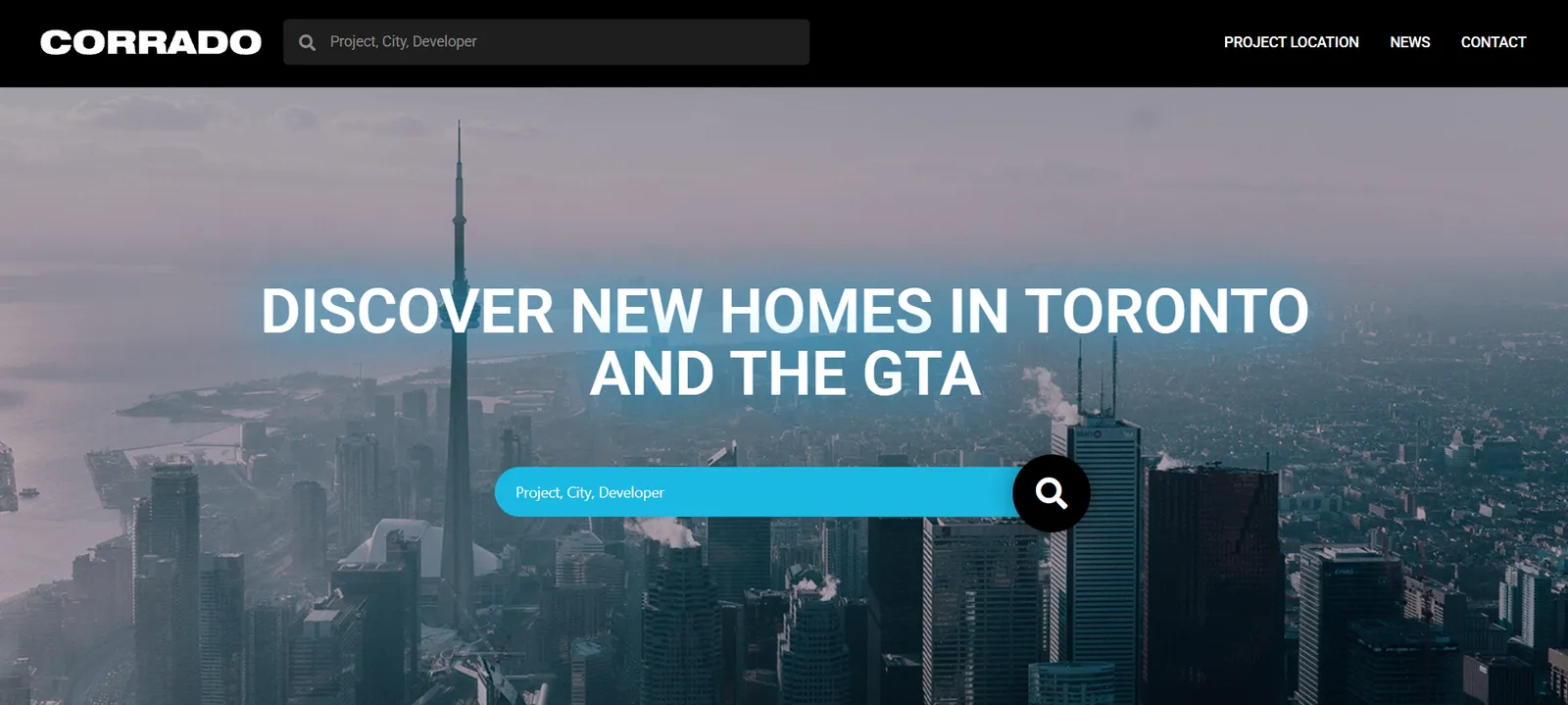
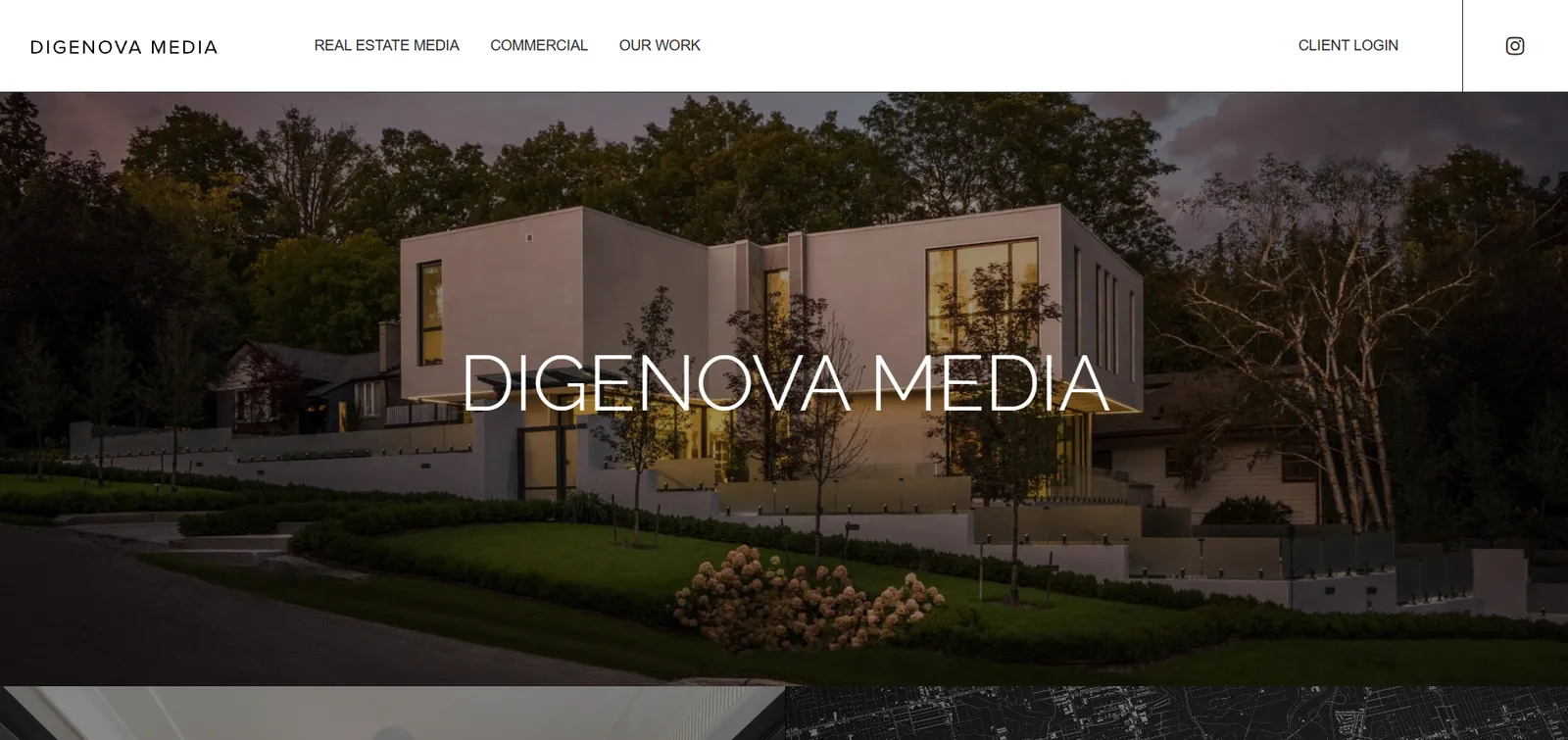
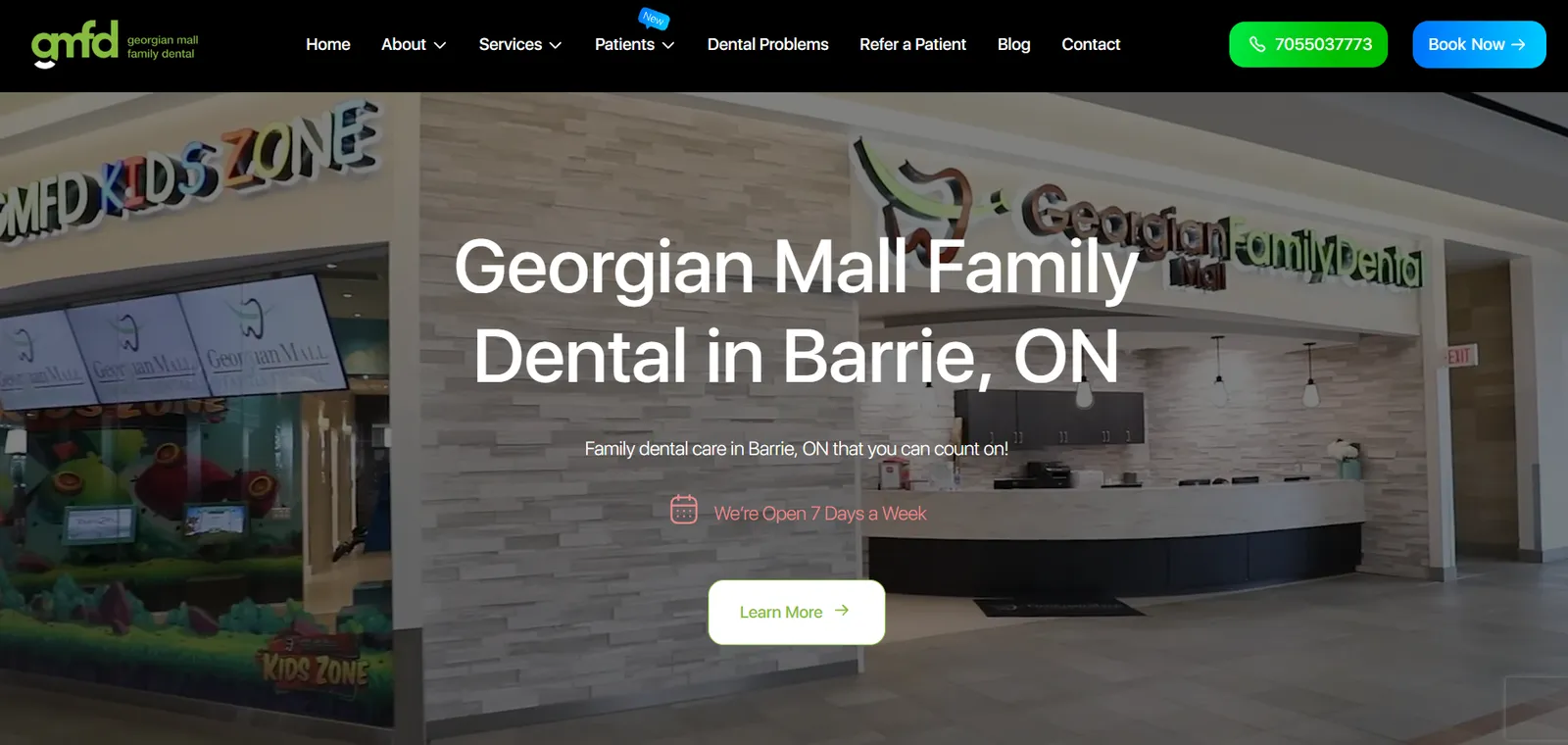
Live client sites we designed and built. Each one looks like its own brand, not like ours.
Choosing the right web development partner
The questions worth asking before you commission a build — whoever you end up hiring.
What makes a professional business website?
A professional site does three things reliably: it explains what you do without the visitor working for it, it makes the next step obvious, and it loads quickly enough that nobody gives up waiting.
Everything else — animation, illustration, clever layout — is only worth adding once those three hold. A site that looks impressive but buries the phone number is not doing its job.
Custom development versus templates
Templates are a reasonable starting point when your requirements are common and your budget is tight. They become expensive when you fight them: every override accumulates, and the site slows down under plugins added to close the gap.
Custom development is worth it when your content does not fit a standard shape, when performance is commercially important, or when you expect to keep extending the site. The honest answer depends on your situation, and we will tell you which one we think applies.
Why website speed matters commercially
Speed affects two audiences at once. Visitors abandon slow pages, particularly on mobile connections outside city centres. Search engines also use page experience signals as part of how they assess pages.
The common causes are unglamorous: uncompressed images, render-blocking scripts, too many third-party tags, and hosting chosen on price alone. Each is fixable, and each is much cheaper to avoid during the build than to retrofit afterwards.
Mobile-first development
Mobile-first means designing the narrow layout first and expanding it, rather than compressing a desktop design and hoping. It forces decisions about what genuinely matters on a page.
It also covers the details that get skipped: tap targets large enough to hit accurately, forms that bring up the right keyboard, and text that stays readable without pinching.
How SEO and development fit together
A large part of SEO is decided by developers, not marketers. URL structure, heading hierarchy, internal linking, structured data, page speed and crawlability are all build decisions.
This matters most during a redesign. Without a redirect map and content parity check, a new site can lose rankings it took years to earn. We treat that as part of the launch, not an optional extra.
Scalability and ongoing maintenance
Websites are not finished at launch. Dependencies need updating, content grows, and requirements change as the business does.
Building with that in mind means reusable components, a content model with room in it, and documentation that lets someone else pick the project up. We would rather hand over a site you could take elsewhere than one that locks you in.
Common Questions
Frequently asked questions
How much does a website cost?
It depends on scope more than page count — a brochure site, a content-heavy site with custom templates, and a web application sit at very different levels. We scope against what the site has to achieve and give you a fixed figure before any work starts, with anything optional listed separately so you can decide.
How long does web development take?
A focused marketing site typically runs several weeks from discovery to launch; larger builds with custom functionality or content migration take longer. The biggest variable is usually content and feedback turnaround on your side, so we agree a schedule for both at the start.
Do you build custom websites or use templates?
Both, depending on what serves you. We will recommend a template-based build where requirements are standard and budget is better spent elsewhere, and custom development where your content, performance needs or growth plans justify it.
Do you develop WordPress websites?
Yes. We build custom WordPress themes and blocks designed around how your team edits content, rather than stacking page-builder plugins that slow the site down and make future changes harder.
Can you redesign our existing website?
Yes, and redesigns need more care than new builds. We map existing URLs, set up redirects, check content parity and verify everything in Search Console after launch so the visibility you have already built carries across.
Will the website be mobile responsive?
Always. Every build is developed mobile-first and tested across real device widths, including narrow phones, before it goes live.
Is SEO included during development?
Technical SEO foundations are part of every build: clean markup, heading structure, metadata, sitemap, crawlability and performance. Ongoing content and off-page SEO work is a separate service, and we will be clear about which you are getting.
Do you provide support after launch?
Yes. We offer ongoing maintenance covering updates, backups, monitoring and small improvements. It is optional — if you would rather take the site in-house, we hand over documented code and walk your team through it.
Let's Talk
Have a website project in mind?
Tell us what the site needs to do for your business. We will come back with a clear recommendation on scope, platform and timeline — no obligation to proceed.