Digital Marketing
Marketing Measured in Enquiries, Not Impressions
Paid search, social, content and email planned as one programme — with tracking set up properly so you can see which channels actually produce business.
- Paid search & social
- Content marketing
- Email automation
- Attribution & reporting
Digital marketing built around what actually converts
Plenty of marketing spend goes to channels nobody can account for. Reports show reach and engagement, budgets renew, and nobody can say which activity produced the enquiries that closed.
We start by fixing measurement. Conversion tracking, call tracking where relevant, and a definition of what counts as a lead — agreed before any budget goes live.
From there the work is straightforward: run the channels that suit your buying cycle, cut the ones that do not earn their place, and keep moving budget towards what produces enquiries.
Measurement before spend
Tracking configured and verified first, so the first month of budget produces usable data.
Channels chosen deliberately
We run what fits how your customers actually buy, rather than everything at once.
Your accounts, your data
Ad accounts, pixels and analytics stay in your name. Nothing is held hostage.
What We Run
Digital marketing capabilities
Selected per business — you are unlikely to need all of these at once.
Google Ads & paid search
Campaigns built around buying intent, with negative keywords and landing pages that match the ad.
Paid social
Meta, LinkedIn and other platforms where your audience genuinely spends time, with creative built per placement.
Content marketing
Articles and resources that answer the questions your prospects ask before they are ready to buy.
Email marketing & automation
Nurture sequences, newsletters and lifecycle campaigns that keep you present between enquiry and decision.
Social media management
Planning and producing an ongoing presence, with a realistic cadence your team can sustain.
Landing pages & CRO
Dedicated pages per campaign, then testing the specific steps where people currently drop out.
Remarketing
Reaching people who already showed intent, which is usually the most efficient spend available.
Analytics & tracking setup
Conversion tracking, event configuration and reporting that ties activity back to enquiries.
Channel strategy
Deciding where budget goes and why, reviewed against results rather than set once a year.
Problems We Solve
Where marketing budget usually leaks
Most of these come down to measurement or mismatch, not effort.
We cannot tell what is working
Proper attribution setup
Conversion tracking and channel reporting configured so each enquiry can be traced to a source.
Clicks are expensive and unqualified
Intent and negative keyword work
Tightening targeting and adding exclusions so you stop paying for searches that were never going to convert.
Ads send people to the homepage
Campaign landing pages
Dedicated pages that continue the promise the ad made, instead of asking visitors to find it themselves.
Leads go cold after first contact
Email nurture
Automated follow-up that keeps you present through a buying cycle longer than a single visit.
Social activity produces nothing
Channel reassessment
Being honest about which platforms your buyers use, and stopping the ones that only produce activity.
Spend rises, enquiries do not
Funnel diagnosis
Finding whether the problem is traffic, the landing page or what happens after the form is submitted.
Why Royal Global
How we run marketing
Accountable, transparent, and willing to tell you when to stop spending.
You own every account
Ad accounts, pixels, analytics and audience lists are created in your name. If you leave, you keep the history and the assets — that is how it should work.
Enquiries over engagement
Reports lead with leads and cost per enquiry. Reach and impressions are context, not the headline.
We can fix the landing page too
When the problem is the page rather than the traffic, our developers handle it instead of filing a recommendation.
Honest about fit
If a channel is not working for your business, we will tell you to cut it — including when that reduces our scope.
Reviewed continuously
Budget moves toward what performs rather than sitting where it was allocated in January.
How We Work
Our marketing process
Measurement first, then a controlled start, then scale what works.
- 01
Discovery
Understanding your offer, margins, sales cycle and what a good lead is actually worth to you.
- 02
Measurement setup
Conversion tracking, events and reporting configured and tested before any spend goes live.
- 03
Channel planning
Choosing the channels that fit your buying cycle and setting a budget split with reasoning behind it.
- 04
Build
Campaign structure, creative, ad copy and landing pages produced and reviewed with you before launch.
- 05
Launch & learn
A controlled start with deliberately limited budget, gathering data before scaling anything.
- 06
Optimise
Refining targeting, creative and pages based on what the data shows, and cutting what underperforms.
- 07
Report & plan
Monthly reporting on enquiries and cost per enquiry, with the next period's plan agreed from it.
Platforms & Tools
What we work across
Used where they suit the business, not applied as a standard package.
Paid channels
- Google Ads
- Meta Ads
- LinkedIn Ads
- Remarketing
- Google Shopping
Owned channels
- Email automation
- Content publishing
- Landing pages
- Social scheduling
Measurement
- Analytics 4
- Google Tag Manager
- Conversion tracking
- Call tracking
- Looker Studio
Outcomes
What a measured programme changes
Capabilities you gain. We publish no return-on-spend figures, because those depend on your margins and market.
Visibility into spend
You can see which channels produce enquiries and which are producing activity only.
Better-qualified enquiries
Intent-led targeting and honest ad copy filter out people who were never going to buy.
Faster reaction
Weekly visibility means underperforming campaigns get cut in days rather than at quarter end.
Compounding owned assets
Content and email lists keep working after the ad spend stops, unlike paid reach.
A clearer funnel
Knowing where prospects drop out tells you what to fix next, rather than guessing.
Decisions with evidence
Budget conversations become a review of data instead of a debate about opinions.
Related Work
Digital Marketing in practice
Live client sites we designed and built. Each one looks like its own brand, not like ours.

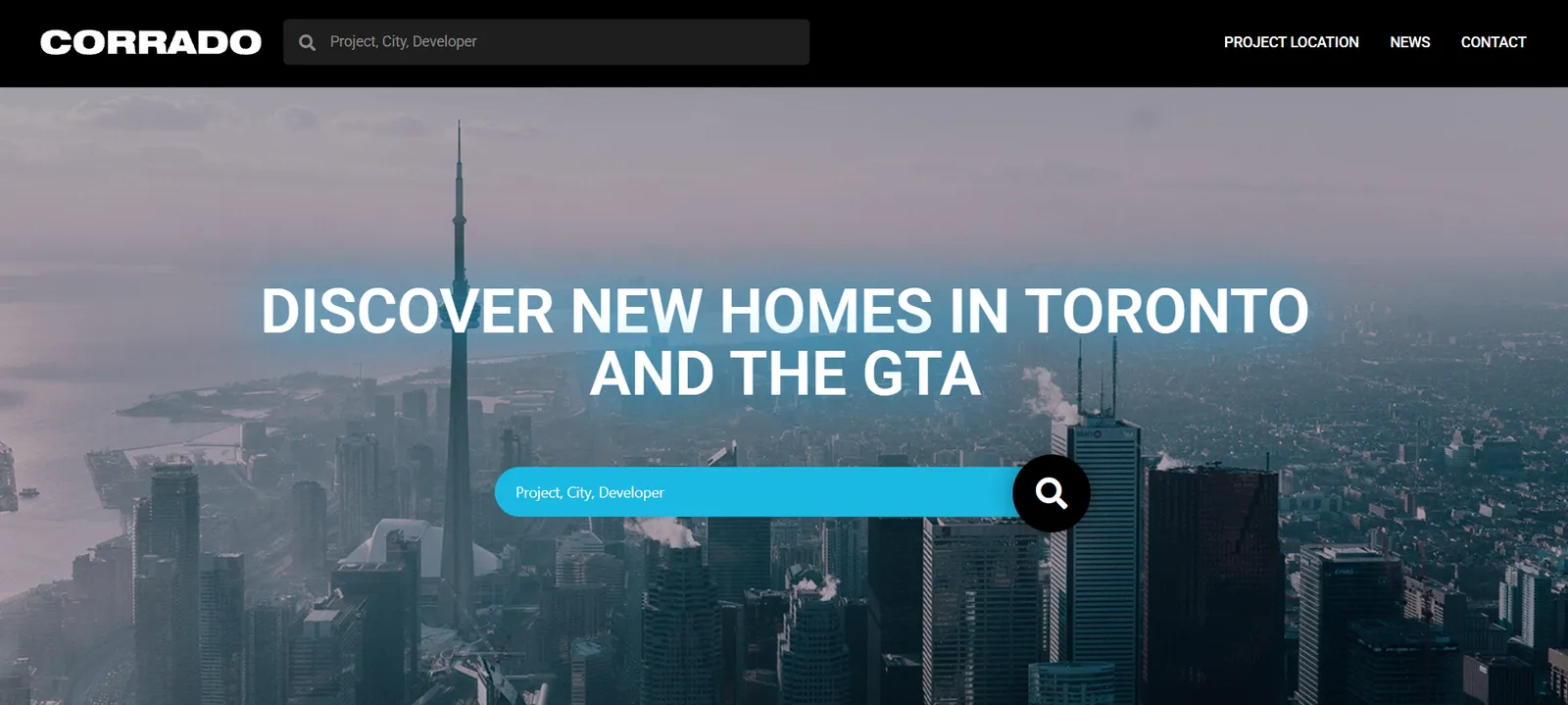

Planning digital marketing that pays for itself
The decisions that determine whether marketing spend produces business or just activity.
Start with what a lead is worth
Without knowing your average value and close rate, no cost-per-click figure means anything. A forty-dollar click is cheap for a business with high contract values and ruinous for one selling low-margin products.
We work that out during discovery. It sets the ceiling for what a lead can cost and turns budget conversations into arithmetic rather than instinct.
Paid versus organic
Paid channels buy visibility immediately and stop the moment you stop paying. Organic takes months to build and keeps working afterwards.
Most businesses need both, weighted by circumstance. If you need enquiries this quarter, paid is the honest answer. If you are building for the next two years, organic deserves the larger share.
Why landing pages matter more than ad copy
Ad copy earns the click; the page earns the enquiry. Sending paid traffic to a homepage asks visitors to find what the ad promised, and a predictable share will not bother.
Dedicated pages that continue the specific promise — same wording, same offer, one obvious action — usually improve results more than another round of ad testing.
Getting attribution roughly right
Perfect attribution does not exist. People research on a phone, return on a desktop weeks later, and sometimes phone instead of filling in a form.
What you can do is capture the major paths: conversion tracking on every channel, call tracking where phone enquiries matter, and a first-touch question on your enquiry form. Roughly right and consistently measured beats precisely wrong.
Choosing channels honestly
Not every business belongs on every platform. B2B services often do better on search and LinkedIn than on visual social; consumer products are frequently the reverse.
Running everything at a low budget usually means none of it gets enough data to optimise. Concentrating on two channels properly tends to outperform spreading across five.
What to expect in the first months
Early campaigns are data collection. The first weeks establish which terms, audiences and creative deserve budget — expect efficiency to improve as that picture sharpens.
Be cautious of anyone promising strong returns immediately. A deliberately controlled start costs less than scaling a campaign that has not yet proved anything.
Common Questions
Frequently asked questions
How much should we budget for digital marketing?
It depends on your market, your margins and what a customer is worth. We work out a realistic cost per enquiry during discovery and recommend a budget from that, along with a minimum below which a channel will not gather enough data to be worth running.
Who owns the ad accounts?
You do. We create ad accounts, tracking and audience lists in your name and give ourselves access, rather than the other way round. If we stop working together you keep the accounts, the history and the audiences.
Do you require a long contract?
No. We ask for enough time to gather meaningful data — typically a few months, since a shorter run rarely proves anything either way — but we do not use long lock-in terms.
Which channels will you recommend?
Whichever fit how your customers buy. That usually means paid search for businesses with clear buying-intent queries, LinkedIn for considered B2B services, and Meta for consumer products. We would rather run two channels properly than five thinly.
Do you write the ad copy and create the creative?
Yes. Copy, creative and landing pages are part of the work, produced against your brand guidelines where they exist.
How do you report on performance?
Monthly reporting leading with enquiries and cost per enquiry, then channel-level detail on spend, clicks and conversion rate. You keep direct access to the underlying accounts so you can verify anything we report.
Can you work alongside our internal marketing team?
Yes, and that is often the most effective arrangement. We can take specific channels, provide strategy and measurement, or fill capability gaps while your team handles the rest.
What if a channel is not working?
We will tell you and recommend cutting it, even where that reduces our scope. Continuing to bill for activity that is not producing enquiries is not a business we want.
Let's Talk
Want to know where your marketing budget is going?
Tell us what you are running now and what you are getting from it. We will give you an honest read on what to keep, what to fix and what to stop.