Graphic Design
Design That Keeps Your Brand Consistent Everywhere
Campaign artwork, social content, sales collateral and print — produced from one visual system so every piece looks like it came from the same company.
- Digital & print
- Campaign systems
- Source files included
- Reusable templates
Professional graphic design for marketing teams
Most companies do not have a design problem so much as a consistency problem. Artwork gets made by whoever is free, in whatever tool they know, and within a year the brand looks like four different businesses.
We fix that by designing the system alongside the pieces. You get the asset you asked for, plus the rules and templates that let the next one match it without another brief.
That covers everything from a conference banner to a full campaign rollout, in both digital and print — set up correctly for the medium so nothing arrives from the printer looking different from the screen.
Systems, not one-offs
Layout grids, type rules and colour usage documented so future artwork stays on brand.
Print-ready when it needs to be
Correct colour mode, bleed and resolution, checked before anything goes to a printer.
Templates your team can use
Editable files for recurring formats, so routine artwork does not need a designer every time.
What We Design
Graphic design capabilities
The pieces most businesses actually need, produced to a consistent standard.
Marketing collateral
Brochures, one-pagers, flyers and sell sheets that explain an offer without burying it in text.
Social media graphics
Post and story templates sized per platform, built so your team can swap copy and imagery safely.
Presentation design
Pitch decks and sales presentations with a slide system that survives contact with your team.
Digital advertising
Display and paid social creative produced across the full size matrix a campaign needs.
Print & packaging
Business cards, signage, large format and packaging prepared properly for production.
Infographics & data visuals
Turning figures and processes into something a reader can follow at a glance.
Email & newsletter design
Templates built for the constraints of email clients rather than designed as if they were web pages.
Campaign systems
One visual concept extended consistently across every channel a campaign runs on.
Illustration & iconography
Custom icon sets and simple illustration where stock imagery would undercut the brand.
Problems We Solve
Where in-house design usually breaks down
Not a lack of effort — a lack of system.
Every asset looks slightly different
A documented visual system
Grids, type scale and colour rules written down, so consistency does not depend on who made the file.
Routine artwork eats the week
Editable templates
Locked-structure templates for recurring formats, so a social post takes minutes rather than an afternoon.
Print comes back looking wrong
Correct production setup
CMYK, bleed, trim marks and resolution handled properly, with a proof check before the run.
Slides undermine a good pitch
Presentation system
A master deck with real layouts for the slide types you actually use, not just a title and a bullet page.
Nobody can find the final file
Organised, handed-over assets
Named, versioned exports in every format you need, plus the editable source files.
Why Royal Global
How we work on design
Practical design with the production details handled.
Design with a job to do
Every piece starts with what it has to communicate and who is reading it. Decoration that does not help that comes out.
You own the source files
Editable working files are handed over as standard. You are never locked into us to make a small change.
Consistent across channels
One visual system applied properly, so print, social and web read as the same brand.
Production-checked
Colour mode, resolution and bleed verified before anything is sent to a printer or ad platform.
Built to be reused
Wherever a format recurs, we leave you a template rather than a one-time file.
How We Work
Our design process
Short, with a clear point for feedback before production begins.
- 01
Brief
What the piece is for, who it reaches, where it appears and what it must include — agreed before design starts.
- 02
Direction
Initial concepts showing the visual approach, so we settle direction before detail is invested.
- 03
Design
The chosen direction developed into finished artwork across the required formats and sizes.
- 04
Review
A defined revision round with consolidated feedback, so changes are made once rather than in fragments.
- 05
Production
Files prepared correctly for their destination — print specifications, platform sizes or web-optimised exports.
- 06
Handover
Final assets, source files and any templates, organised and named so they can be found again.
What You Receive
Deliverables and formats
What actually lands in your hands at the end of a project.
Digital formats
- PNG
- JPG
- SVG
- WebP
- Platform-sized exports
Print production
- Print-ready PDF
- CMYK
- Bleed & trim
- 300 dpi
- Packaging dielines
Editable sources
- Figma files
- Adobe source files
- Templates
- Icon sets
Outcomes
What consistent design gives you
The practical effects of having a system rather than a folder of files.
A brand that looks established
Consistency across touchpoints is most of what makes a company look larger and more credible than it is.
Faster campaign turnaround
Templates and defined rules turn each new asset into production rather than a fresh design problem.
Clearer communication
Hierarchy and restraint mean the main message registers before the reader moves on.
Fewer production problems
Correct setup avoids reprints, rejected ad creative and last-minute resizing.
Less designer dependency
Your team can handle routine updates without waiting in a queue.
Assets that stay usable
Organised, editable source files remain valuable long after the original project closes.
Related Work
Graphic Design in practice
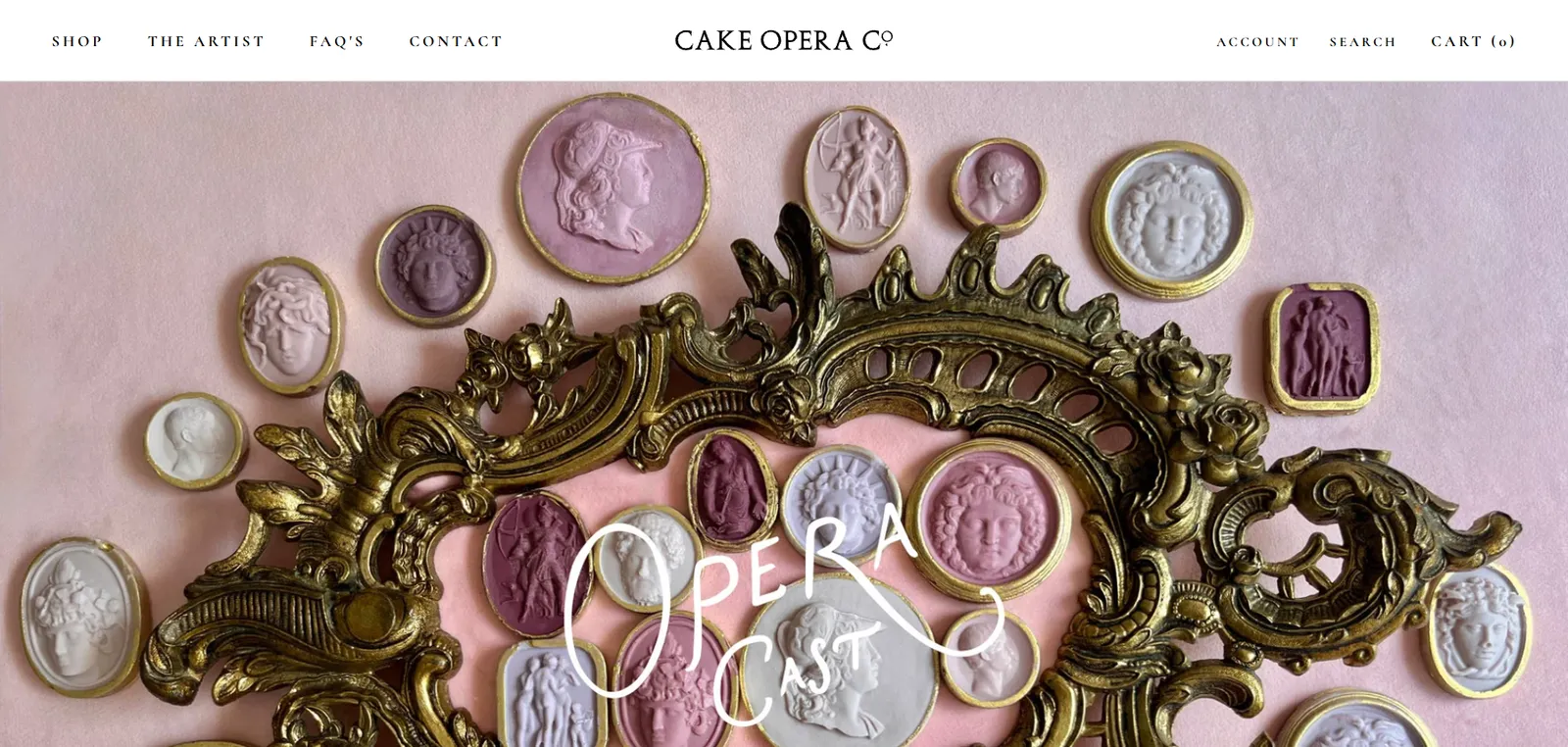
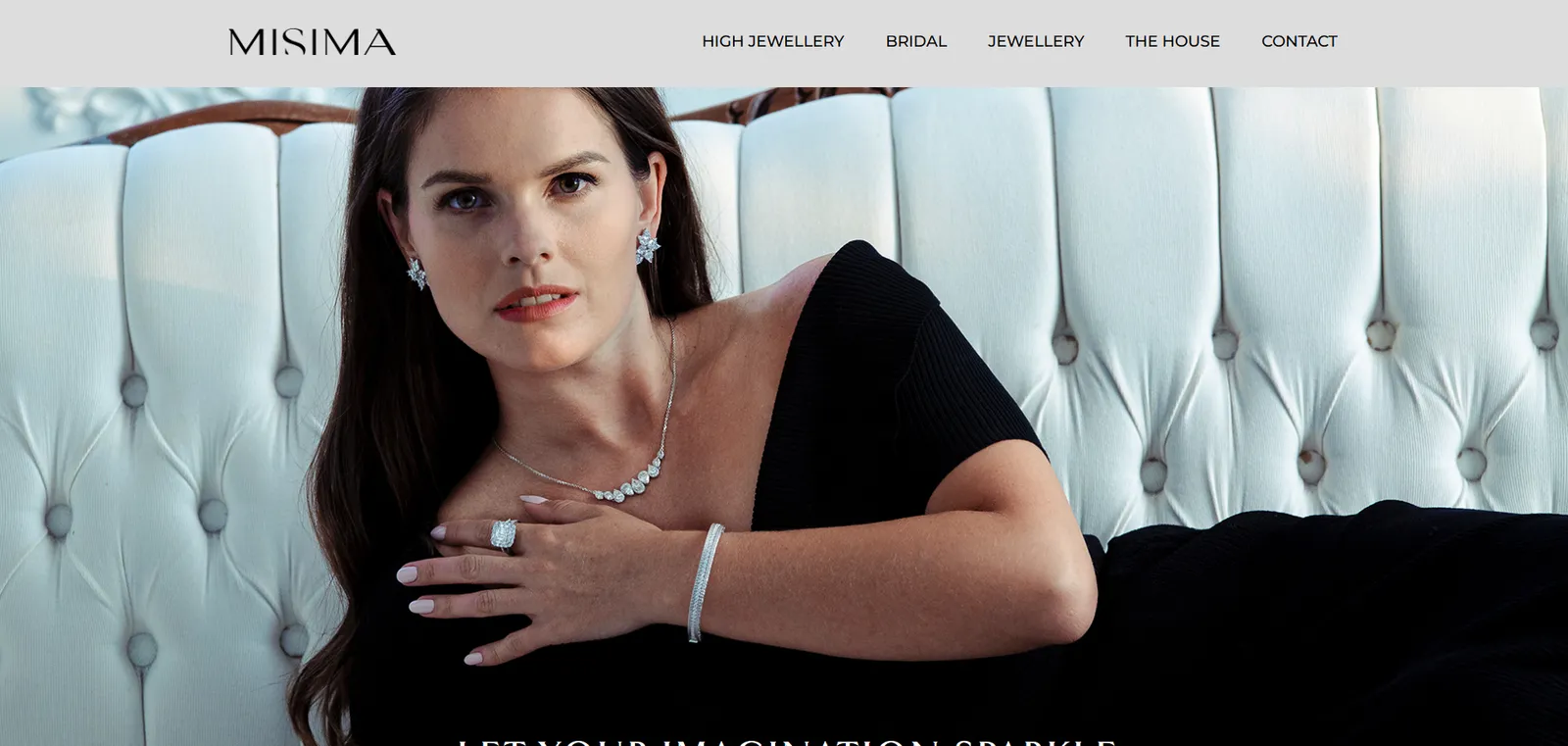
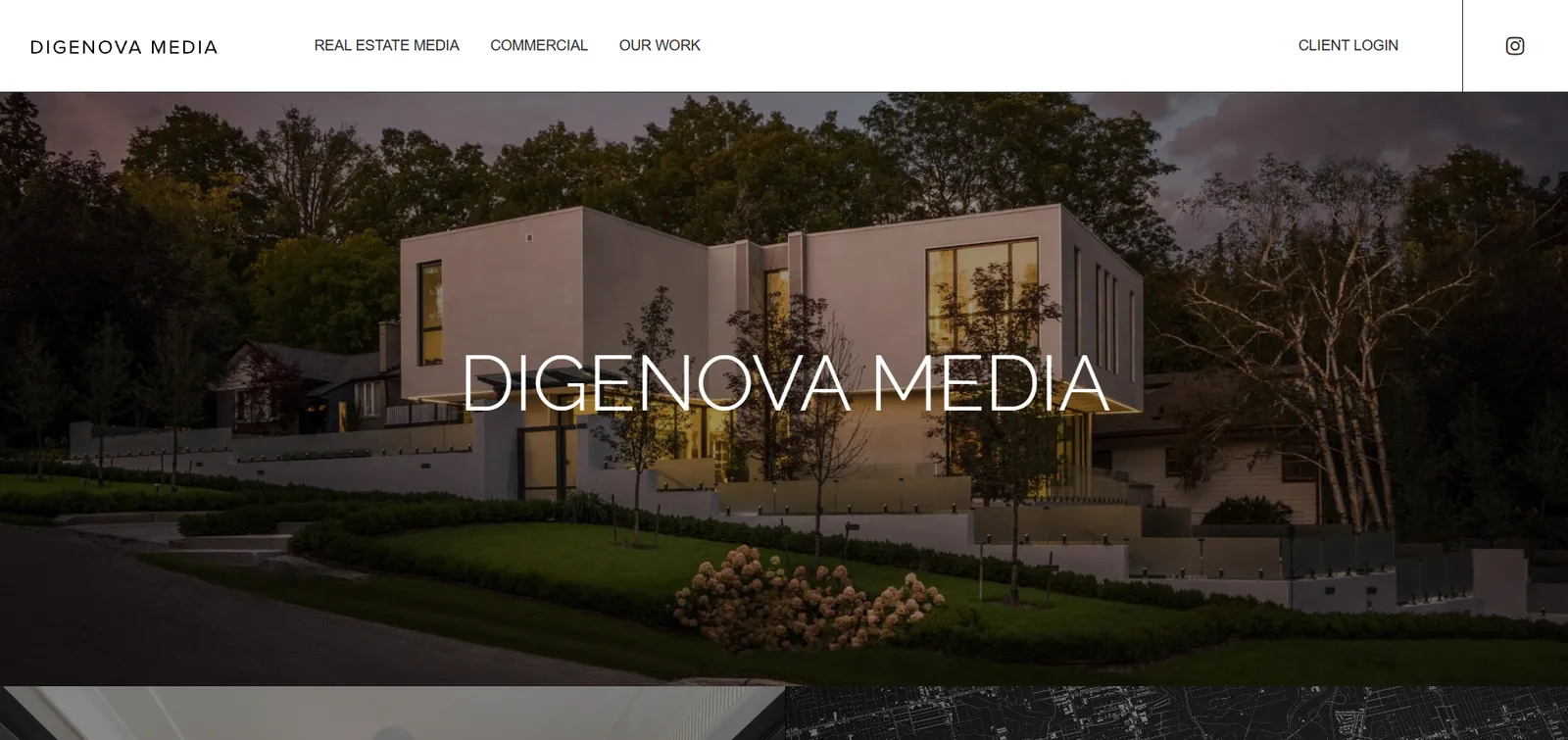
Live client sites we designed and built. Each one looks like its own brand, not like ours.
Getting more from graphic design
Practical guidance for commissioning design work, whoever produces it.
What makes a strong design brief
The most useful briefs describe the job rather than the appearance. Who is reading this, what do they need to understand, what should they do next, and where will they encounter it?
Specifying the outcome and leaving the execution open usually produces better work than prescribing colours and layouts up front. Constraints that matter — mandatory logos, legal text, fixed dimensions — belong in the brief; aesthetic instructions often do not.
Designing for print versus screen
Screen design works in RGB at relatively low resolution. Print works in CMYK at 300 dpi with bleed beyond the trim edge, and some vivid screen colours simply cannot be reproduced in ink.
Being clear about the destination early avoids the common and expensive outcome: artwork that looked right on a monitor and arrives from the printer visibly duller.
Why templates are worth the extra day
A template costs slightly more up front and then saves time on every subsequent asset. Structure is locked so the layout cannot drift, while copy and imagery stay editable.
For anything recurring — social posts, event graphics, sell sheets — this is usually the highest-value part of a design engagement.
Choosing imagery honestly
Generic stock photography is often worse than no photography. Readers recognise it, and it quietly signals that the company had nothing real to show.
Where budget allows, even modest original photography of your team, premises or work outperforms polished stock. Where it does not, considered typography and graphic treatment is usually the stronger fallback.
Design and brand identity
Graphic design executes a brand; it does not define one. If there is no agreed identity, each designer makes reasonable guesses and the results diverge.
If your visual identity has never been documented, starting there makes every later design engagement cheaper and more consistent. It is the difference between commissioning artwork and commissioning artwork plus a set of decisions nobody has made yet.
Keeping files usable later
Design assets lose value when nobody can find or open them. Flattened exports with no source files mean the next change starts from scratch.
Ask for editable sources and a sensible naming structure as part of any engagement. It costs the designer almost nothing and protects the investment you have already made.
Common Questions
Frequently asked questions
What types of graphic design do you handle?
Marketing collateral, social media graphics, presentations, digital advertising, print and packaging, infographics, email templates and icon sets. If you have something outside that list, ask — we will tell you honestly whether it is a good fit.
Do we get the editable source files?
Yes, as standard. You receive the working files along with the final exports, so you or another designer can make changes later without recreating anything.
Can you work with our existing brand guidelines?
Yes. If you have guidelines we design within them. If you do not, we can work from your existing materials and note where inconsistencies exist, or handle that properly as a separate branding engagement.
Can you prepare files for a printer?
Yes. We set up CMYK, bleed, trim marks and resolution to the printer's specification, and can liaise with them directly to confirm requirements before the run.
How many revisions are included?
We agree a defined number of revision rounds during scoping — usually a direction round and a refinement round. Consolidated feedback from your side keeps that efficient; we will flag if a request moves into new-scope territory rather than absorbing it quietly.
Can you create templates our team can edit?
Yes, and for anything recurring we recommend it. We build templates with the structure locked and the content editable, so your team can produce on-brand assets without a designer each time.
Do you design social media content on an ongoing basis?
We can work on a retainer for ongoing content, or set you up with a template system and hand day-to-day production to your team. Which makes more sense depends on your volume and internal capacity.
How quickly can you turn work around?
Single assets from an existing visual system are usually quick. New concepts, print production or a full campaign rollout need longer. We give you a schedule at briefing rather than after work has started.
Let's Talk
Need design your team can actually reuse?
Tell us what you need produced and where it has to appear. We will come back with a scope, a schedule and what you will own at the end.